
How to Style a Nautical Living Room: 7 Easy Steps to a Maritime Look
This post may contain affiliate links. If you make a purchase through one of my links, I may receive a small commission at no cost to you.
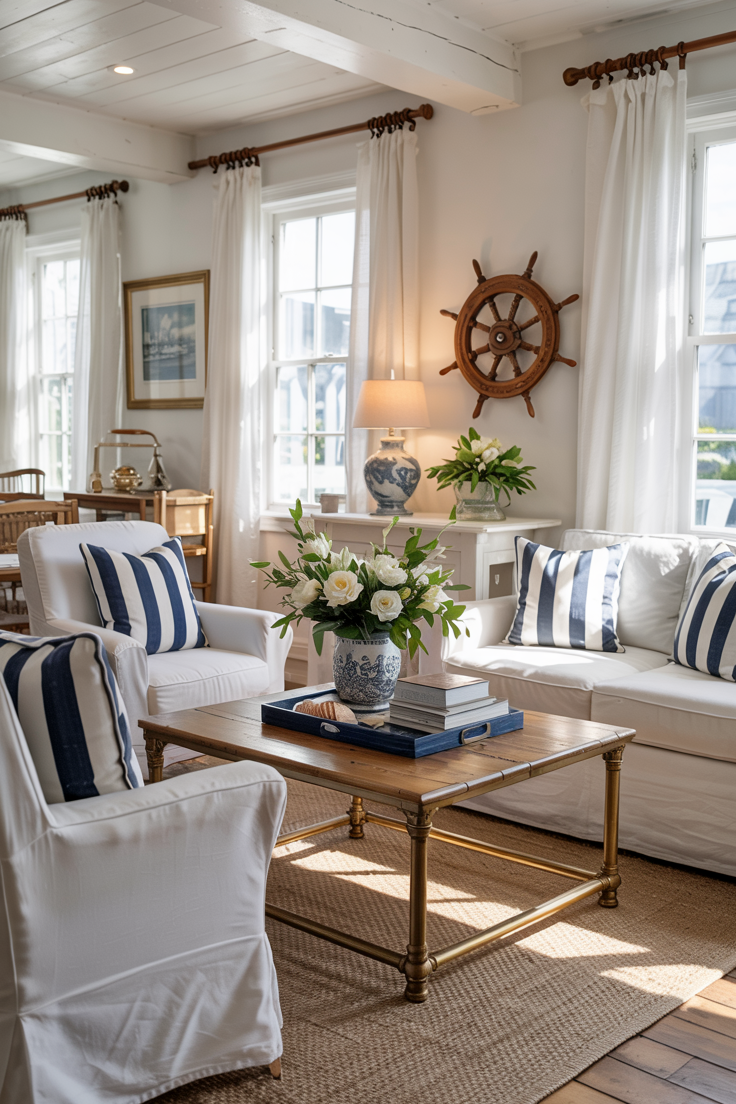
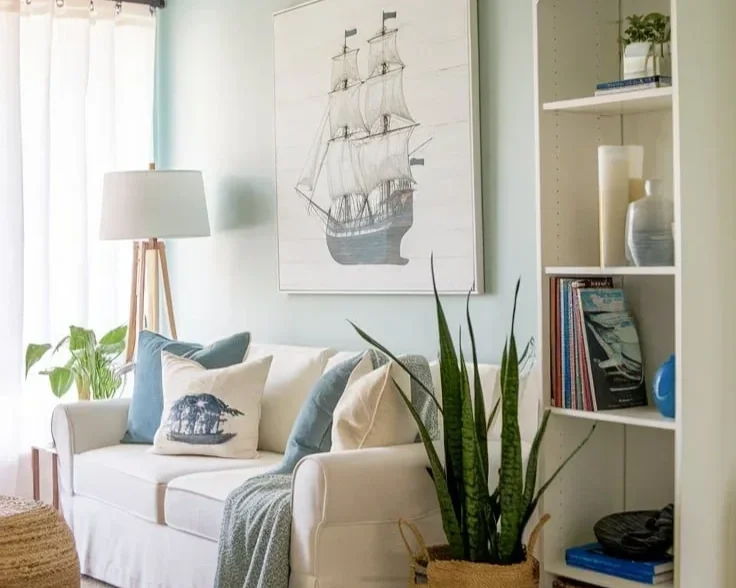
Looking for nautical living room ideas to refresh your home? Creating a space inspired by the sea is about more than just anchors and oars. It’s about capturing a mood.
A well-designed nautical-themed room should feel breezy, bright, and effortlessly cozy.
If you’ve been wondering how to style a nautical living room that looks modern and professional, you’re in the right place.
I’ve curated the best coastal home decor tips to help you balance bold navy stripes with natural textures and maritime accents.
Nautical vs. Coastal: What’s the Difference?
Before we get into the "how-to," I wanted to clear up a question I get all the time: “Wait, isn't nautical just the same thing as coastal?” Honestly, I used to think so too! But now that I’ve spent so much time decorating in this style, I’ve realized they’re actually more like cousins than twins. Here’s how I break it down in my head:
Coastal is the "Beach"
When I think of coastal decor, I’m thinking about the sand and the shoreline. It’s all about soft neutrals, light-toned woods (like driftwood), and those dreamy, muted seafoam greens or sky blues. It’s very laid-back, airy, and focuses on that "barefoot in the sand" feeling.
Nautical is the "Boat"
On the other hand, nautical style is inspired by the sea itself and the ships that sail on it. It’s a bit more structured and "preppy" than coastal. Think crisp navy blues, bright whites, polished brass, and classic stripes. While coastal is soft and organic, nautical feels a bit more traditional and bold—think of it as the difference between a linen beach towel and a crisp sailor's uniform!
In this post, I’m leaning into those classic maritime elements, but I always like to mix in a little coastal cottage softness so the room still feels cozy and lived-in.
7 Steps to My Dream Nautical Living Room
1. Start with a High-Contrast Color Palette
I always say that the foundation of a nautical room is that crisp, classic contrast. We’re going for a look that feels fresh and energetic!
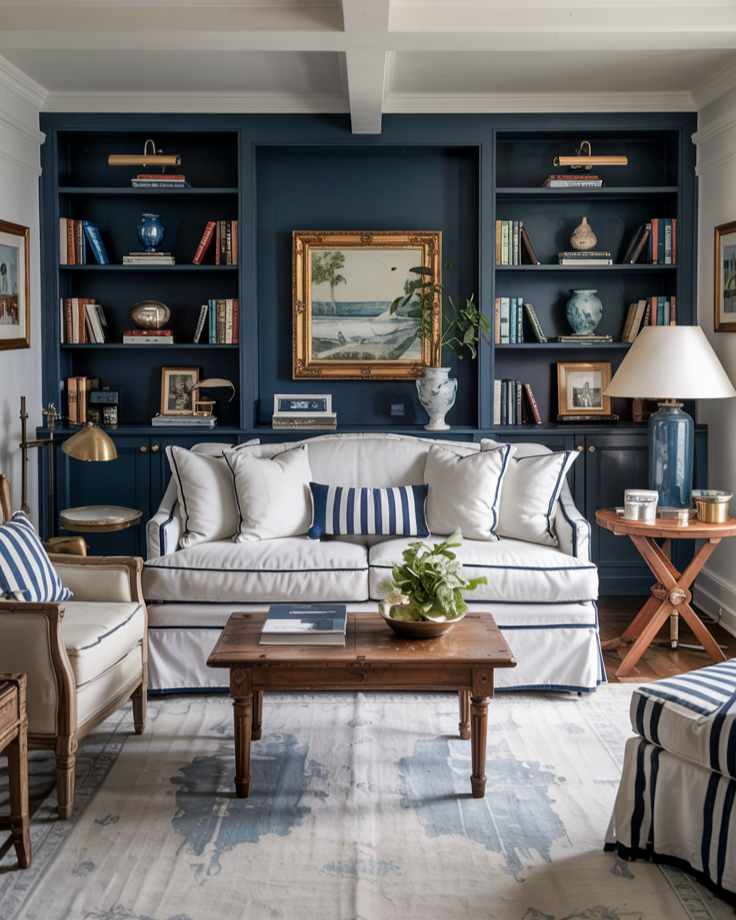
How to Style: Stick to a "60-30-10" rule. Use white for 60% of the room (walls/large furniture), navy blue for 30% (rugs/chairs), and a pop of red or gold for the final 10%.
What to Buy: A deep navy area rug or a set of crisp white linen slipcovers for your sofa.
Styling Tip: If navy feels too dark, try a "Deep Sea" teal. It’s a modern twist that still feels totally nautical.
Mistake to Avoid: Don’t overdo the bright red accents. A little goes a long way; otherwise, it can start to look a bit like a Fourth of July party!
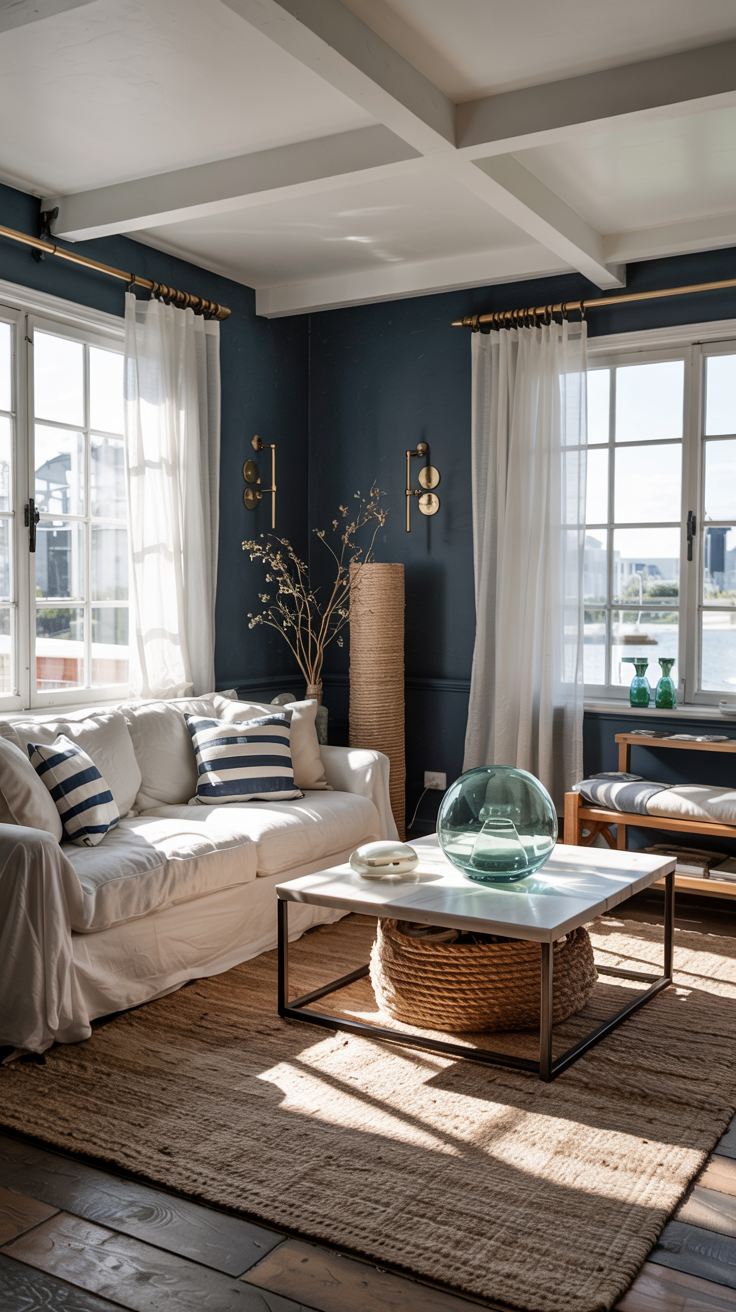
DIY Project: Paint-Dipped Rope Vases: Transform plain glass vases by wrapping them with rope. First, paint the bottom third of the rope in navy blue or white. Once dry, hot glue the rope around the vase, starting from the bottom and working your way up. Perfect for holding fresh flowers or decorative coral!
2. Layer in Natural Textures
To keep the room from feeling too "stiff," I love to bring in textures that remind me of a boat’s deck or a coastal pier.
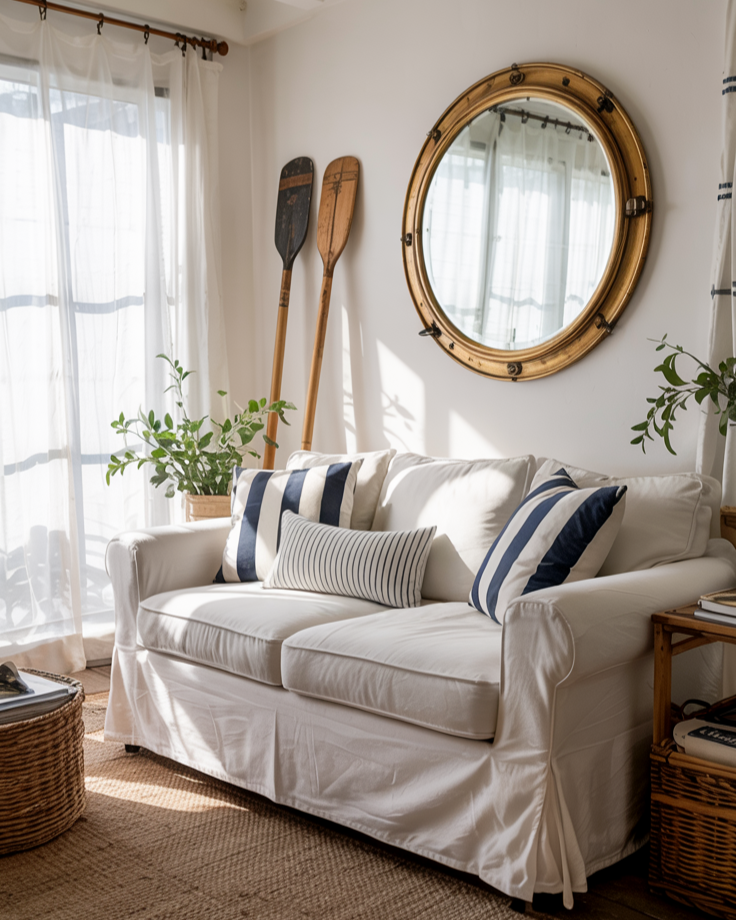
How to Style: Mix rough textures like jute or sisal with softer fabrics like cotton or linen.
What to Buy: A chunky jute rug, some seagrass baskets for storage, or a coffee table made of reclaimed light wood.
Styling Tip: Drape a soft, navy cable-knit throw over a wicker chair to soften the look.
Mistake to Avoid: Avoid using too many shiny, synthetic fabrics. Natural fibers are the key to that authentic cottage feel.


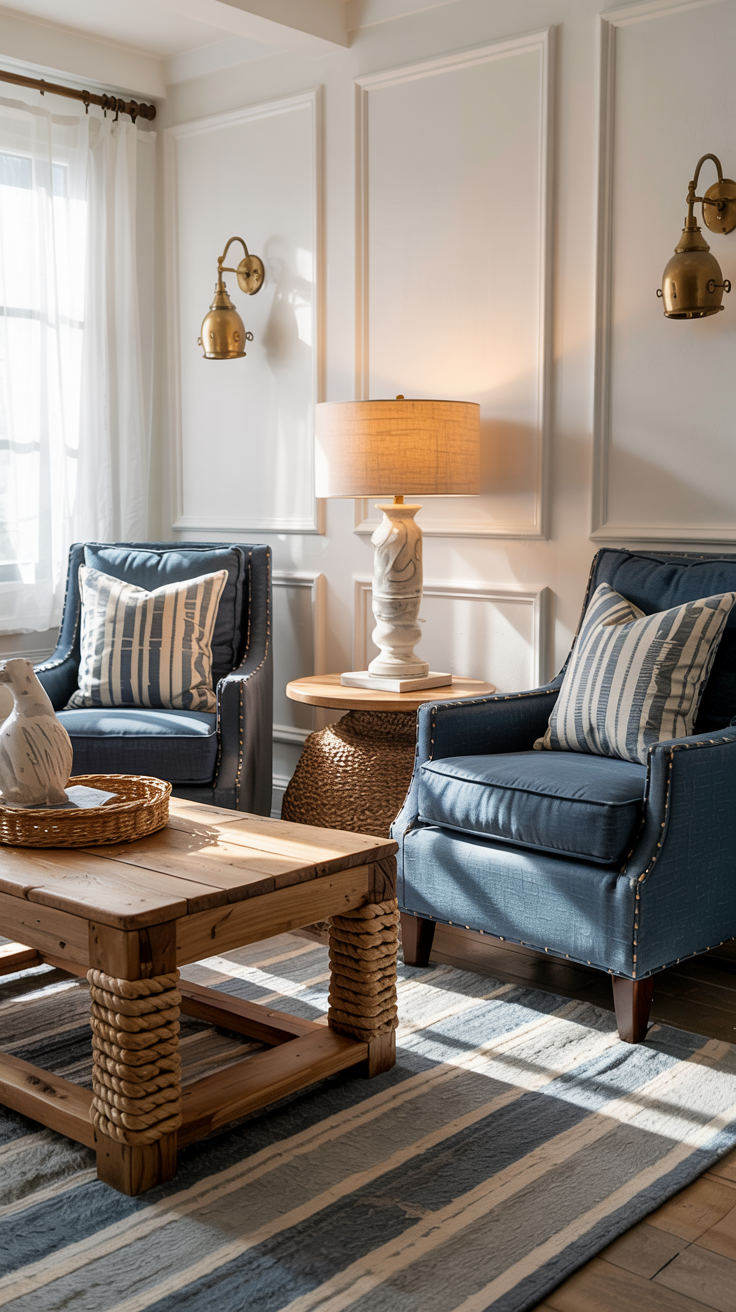
DIY Project: Rope-Wrapped Side Table Take a basic round side table and transform its legs by carefully wrapping them with sisal rope. Secure the ends with hot glue and finish with a coat of clear polyurethane to prevent fraying. It's an easy weekend project that adds instant coastal character!
3. Incorporate Classic Stripes
You really can’t have a nautical room without stripes! They are the "bread and butter" of this design style.
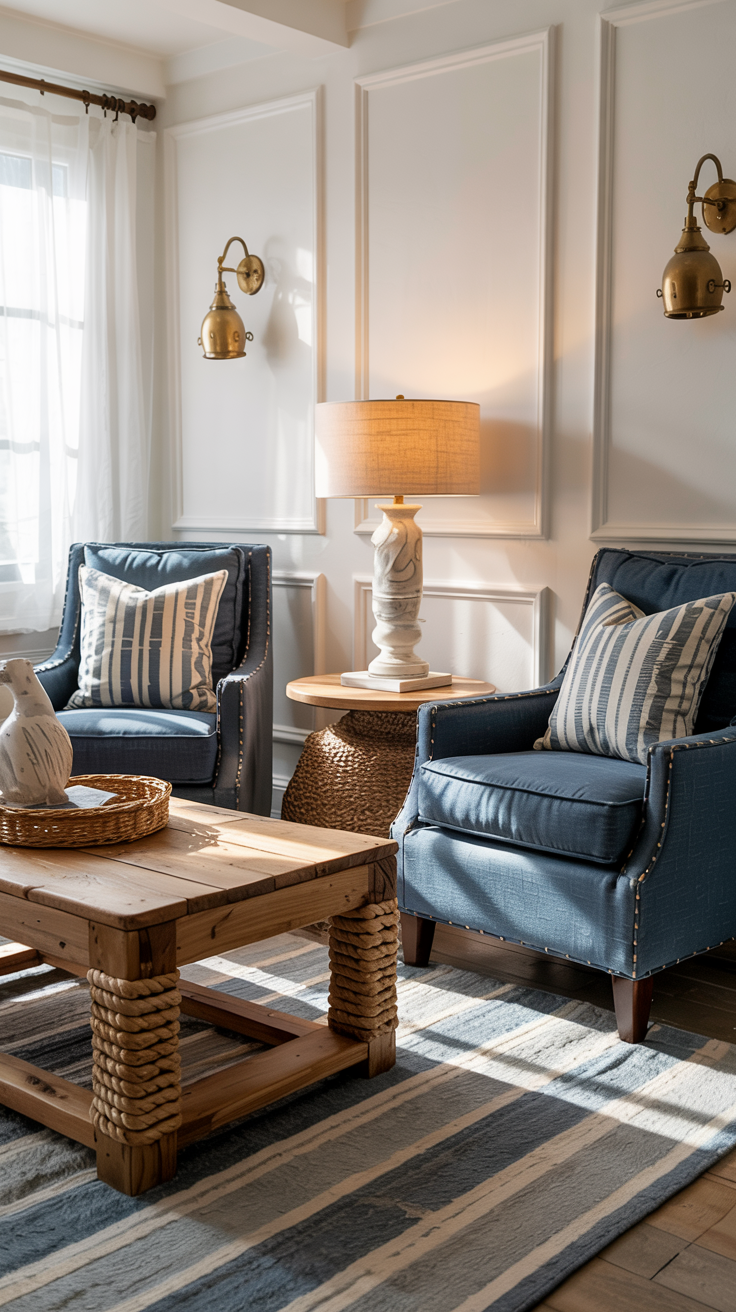
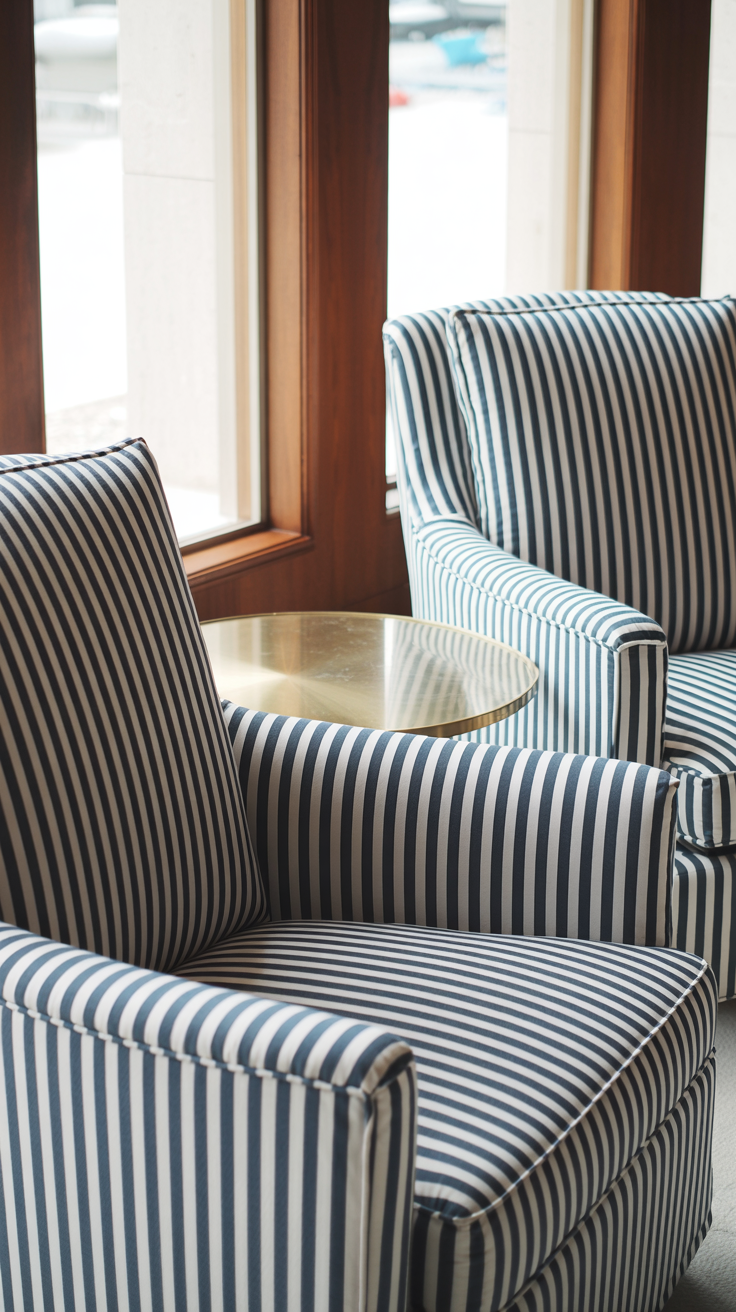
How to Style: Use horizontal stripes to make a small room feel wider. I love using striped pillows or a striped accent chair to draw the eye.
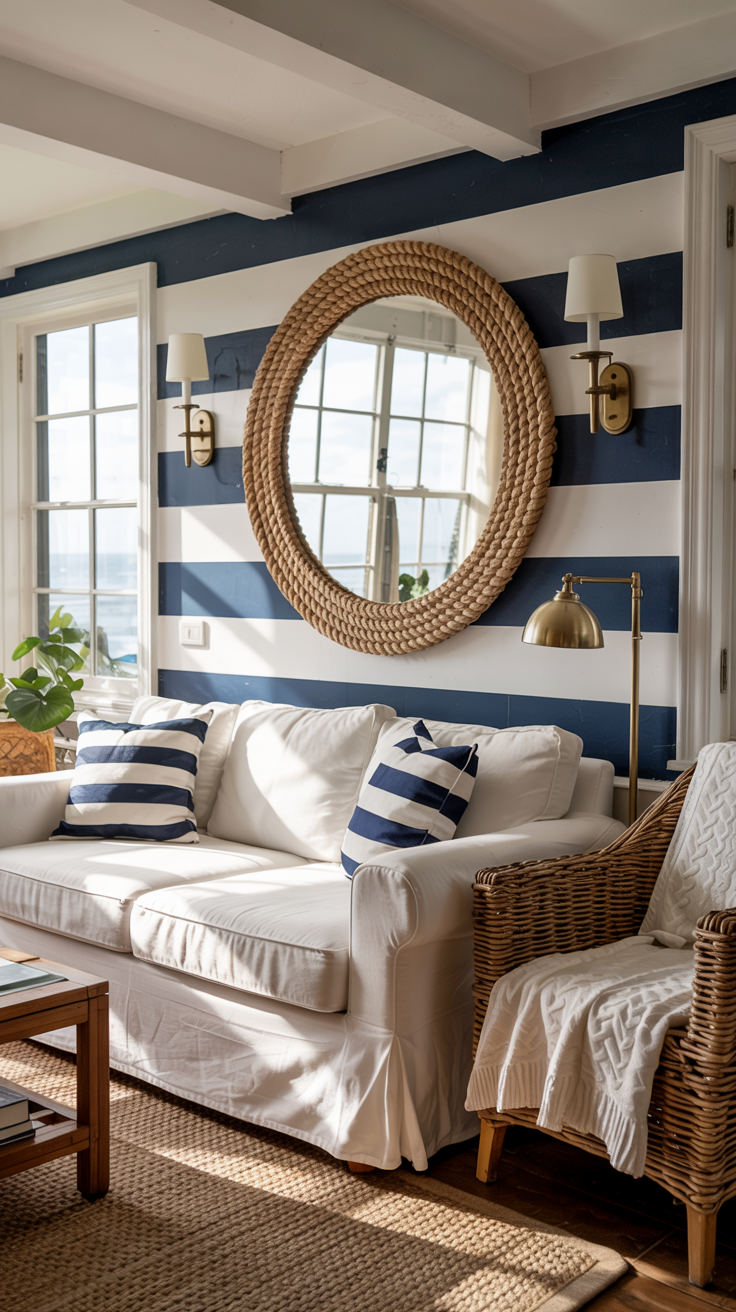
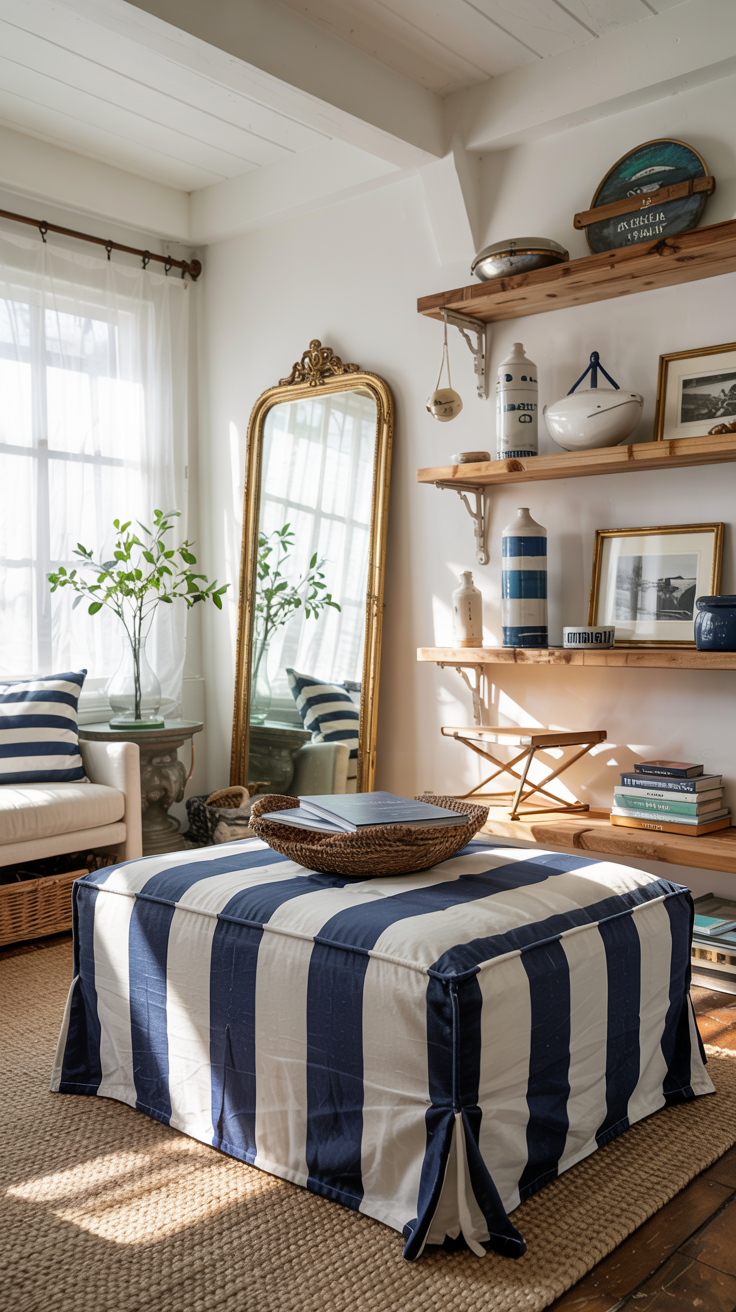
What to Buy: Striped throw pillows, a "ticking stripe" ottoman, or even a striped wallpaper for an accent wall.
Styling Tip: Don’t be afraid to mix stripe widths! A thick "cabana stripe" looks great paired with a thin, delicate "ticking stripe."
Mistake to Avoid: Try not to put stripes on every single surface. Pick one or two "hero" pieces and let the rest of the room be solid colors.

DIY Project: No-Sew Nautical Pillows Create custom pillow covers using nautical-themed tea towels or fabric. Simply iron on hem tape to create a pocket, insert a pillow form, and secure the opening. Add rope trim or oversized grommets for extra maritime flair.
4. Bring in "Found" Maritime Decor
This is where I have the most fun! This step is all about those little details that tell a story.
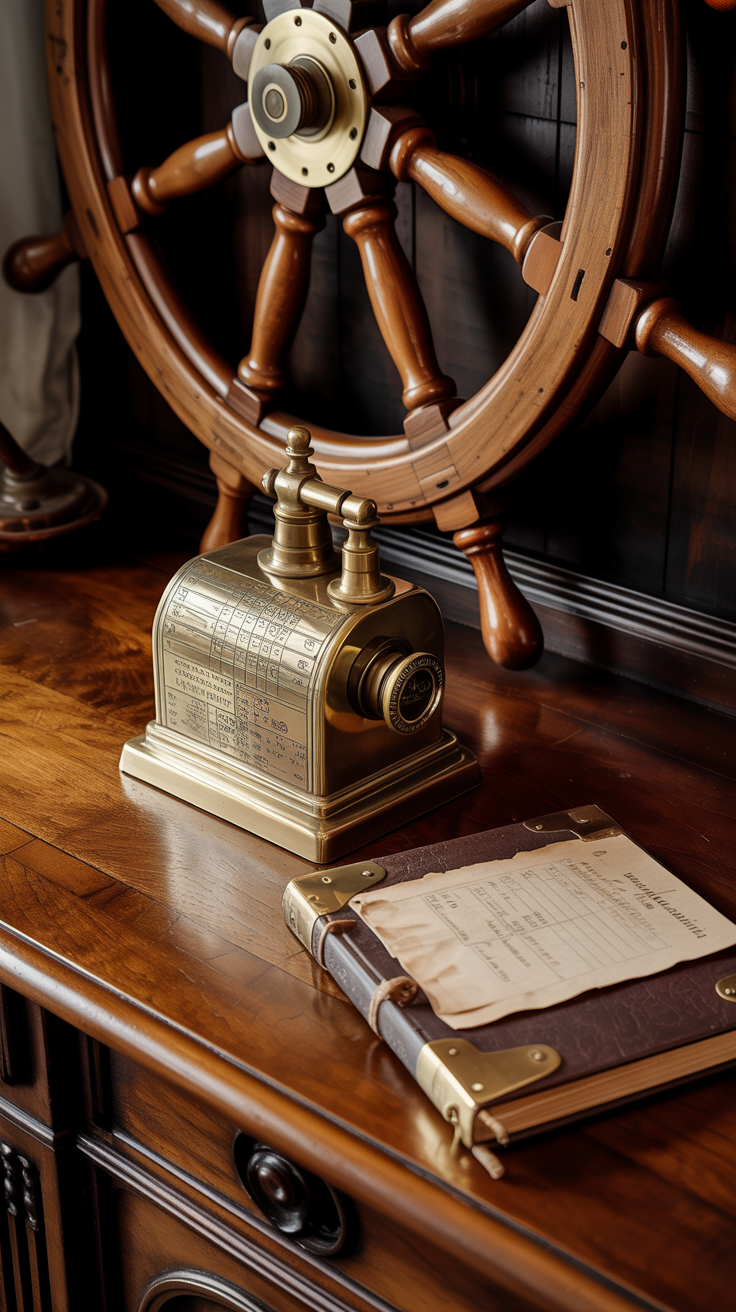
How to Style: Think about things you’d actually find on a ship. Use these as focal points on your mantel or coffee table.
What to Buy: Vintage oars, a brass barometer, glass buoy floats, or a decorative ship’s wheel.
Styling Tip: Prop a pair of vintage wooden oars vertically in a corner to add height to a room with low ceilings.
Mistake to Avoid: Avoid buying "cheap" plastic versions of these items. Thrifting real vintage pieces makes a huge difference in how "expensive" the room feels!
5. Add a Touch of "Nautical Gold" (Brass Accents)
In my opinion, every nautical room needs a little bit of shine. Brass is the traditional metal of the sea, and it adds so much warmth.
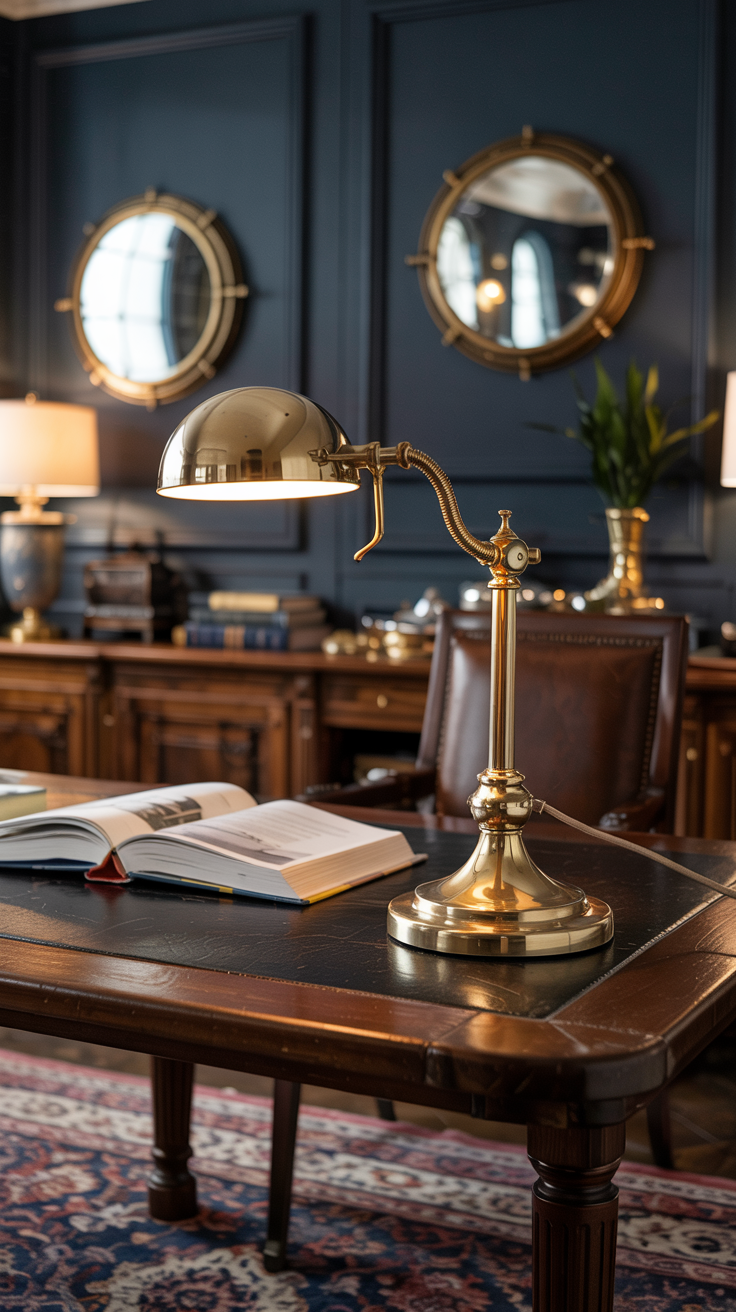
How to Style: Swap out your standard cabinet knobs or lamp bases for brass versions. It feels like jewelry for your room!
What to Buy: Brass wall sconces, gold-framed mirrors, or a brass tray for your coffee table.
Styling Tip: Look for "unlacquered" brass—it will develop a beautiful patina over time that looks perfectly aged.
Mistake to Avoid: Mixing too many different metals. If you go with brass, try to stick with it throughout the room rather than adding chrome or nickel.


DIY Project: Sea Glass Hurricane Lamps Collect clear glass containers and use sea glass-effect paint to create a frosted, weathered look. Place battery-operated candles inside for a safe, beautiful glow that mimics beach glass.
6. Use Rope and Knot Details
Nothing says "sailor" like some thick, knotted rope. It adds a great tactile element to the space.
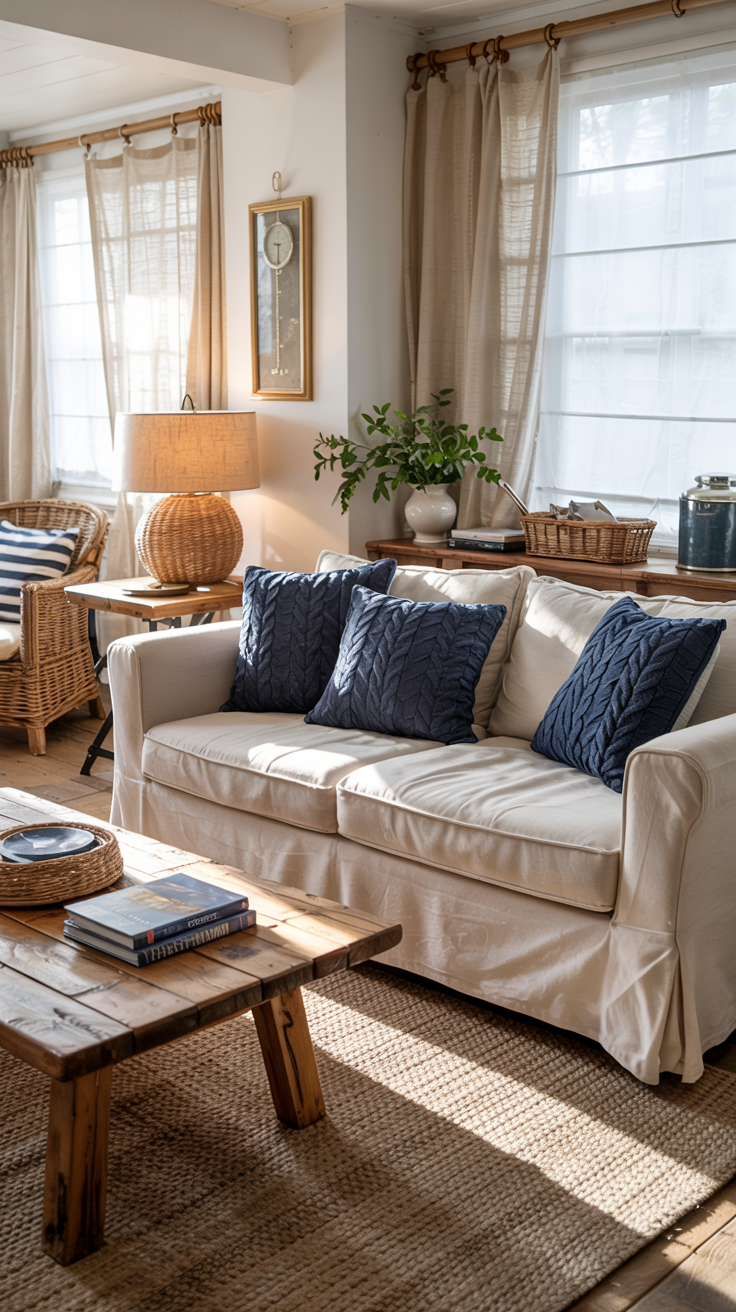
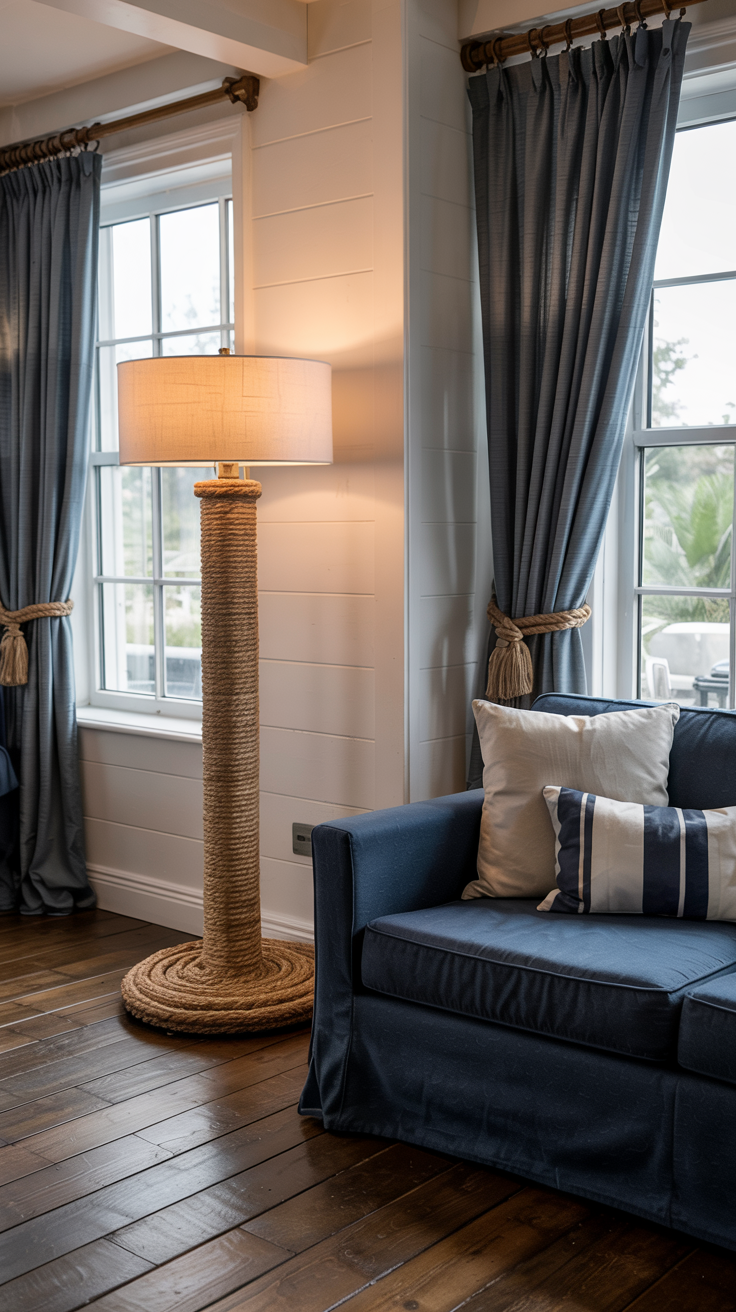
How to Style: Use rope in places you wouldn’t expect, like as a curtain tie-back or a lamp base.
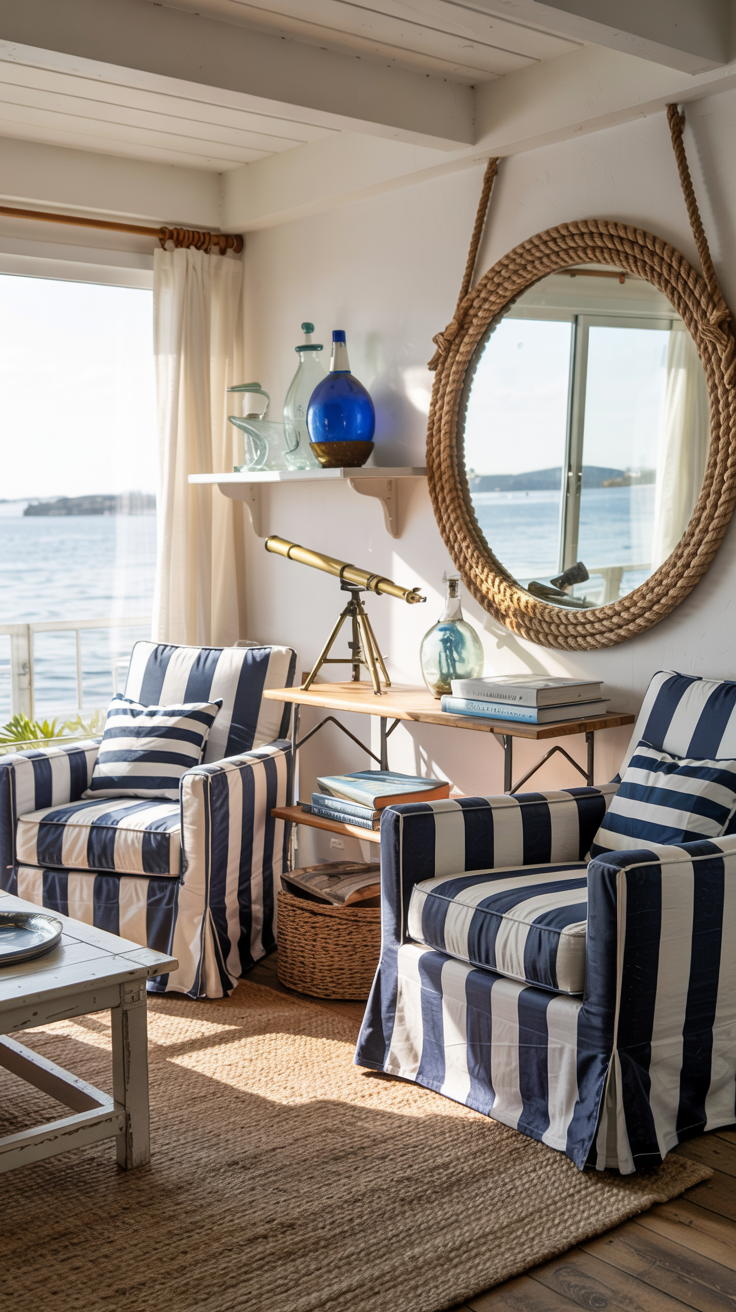
What to Buy: A "monkey’s fist" rope doorstop or a mirror framed in thick manila rope.
Styling Tip: You can DIY your own rope-wrapped picture frames for a quick and cheap afternoon project!
Mistake to Avoid: Make sure the rope is clean! Rough, dirty utility rope can make a room feel a bit grimy rather than "nautical chic."
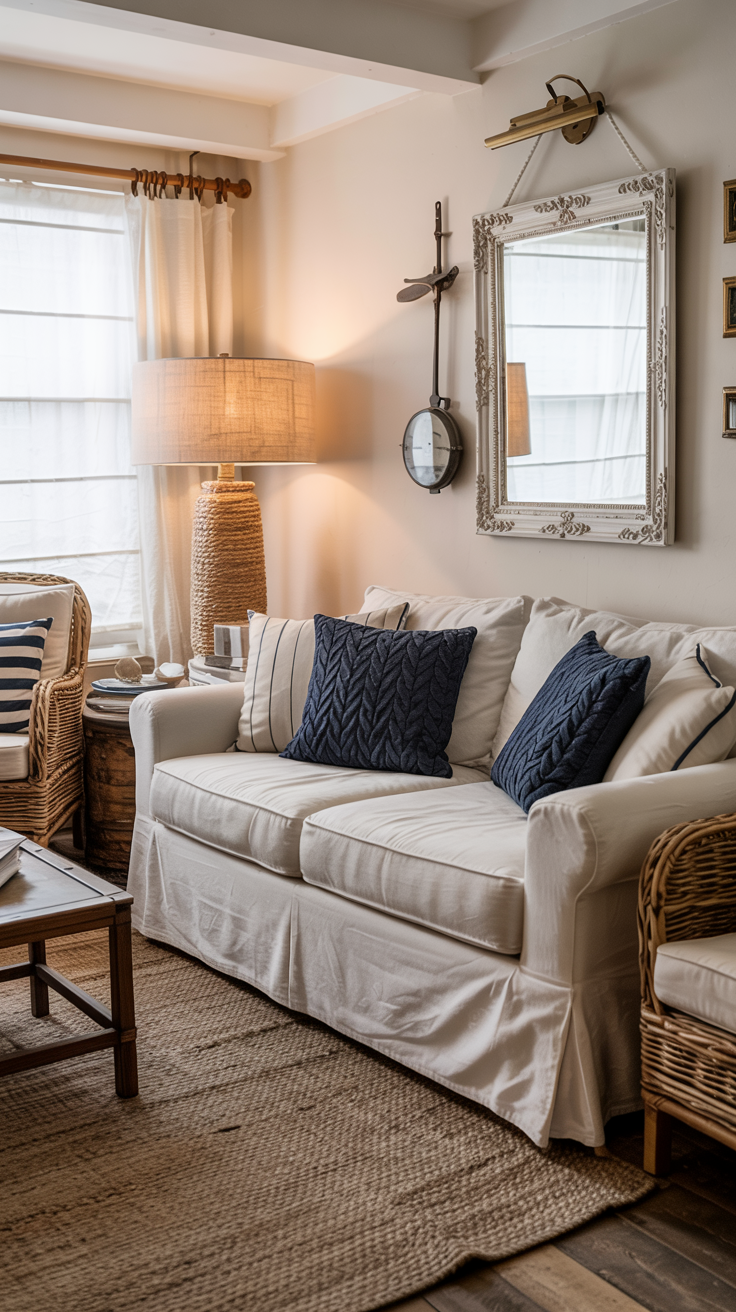
DIY Project: Framed Knot Display Create wall art by learning to tie different nautical knots (monkey's fist, bowline, figure eight) using white or navy rope. Mount them on navy blue fabric in a shadow box frame. Label each knot for an educational touch!
7. Maximize Natural Light
Finally, I always want my nautical spaces to feel like they’re flooded with sunshine, just like being out on the open water.
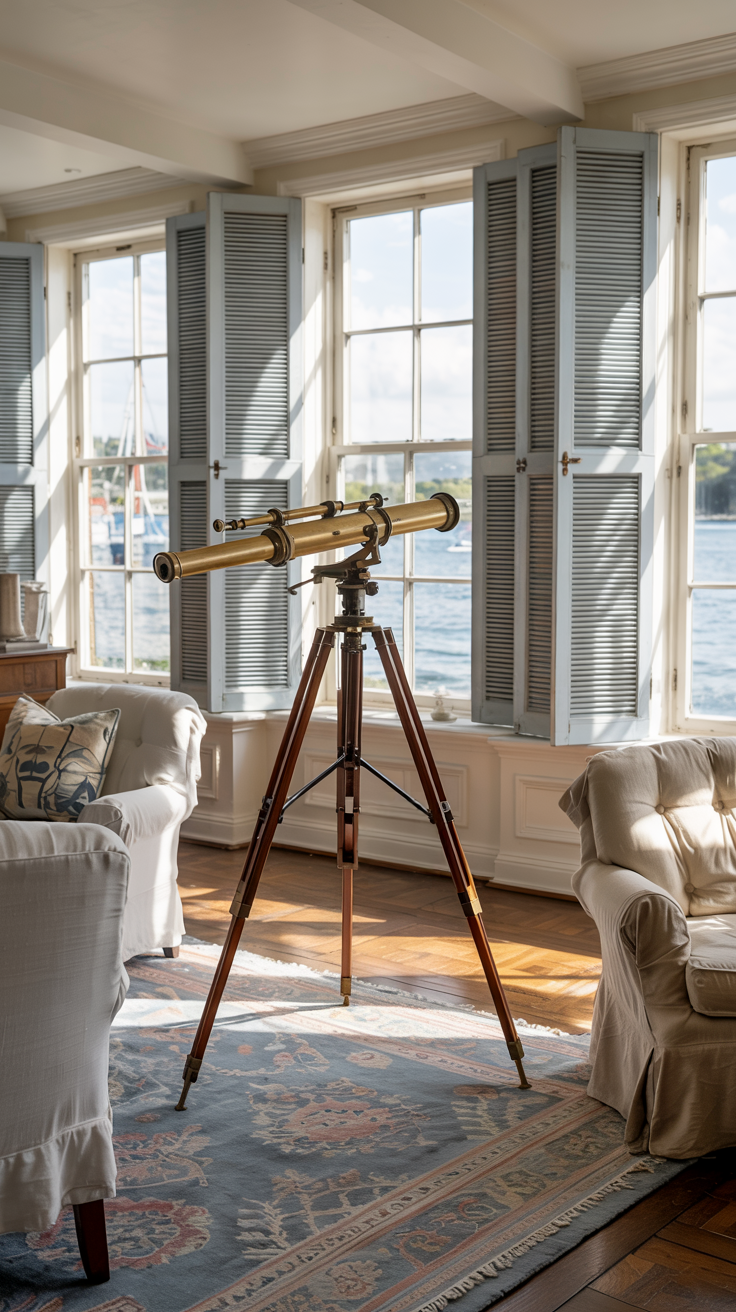
How to Style: Keep window treatments light and airy. Use mirrors to bounce light from the windows into the darker corners of the room.
What to Buy: Sheer white curtains or light-filtering woven wood shades.
Styling Tip: Place a large mirror directly opposite your biggest window to "double" the amount of light in the room.
Mistake to Avoid: Heavy, dark velvet curtains. They’ll weigh the room down and kill that breezy maritime vibe.
Ready to Set Sail? Here’s Your First Step!
I know that starting a room makeover can feel a little overwhelming, but I promise you don’t have to do it all at once! If you're feeling inspired to bring that nautical living room vibe home, here is my challenge for you: Start with one corner.
Don’t worry about the whole house yet. Just grab a set of navy striped pillows, swap out a single lamp for something with a brass or rope detail, and see how much it changes the energy of your space. Trust me, once you get that first "seaside" corner finished, you won’t want to stop!
Is Nautical Minimalism Right for You? A Refined Coastal Aesthetic
Nautical Decor Frequently Asked Questions (FAQs)
You’ve got questions, I’ve got answers! Here are a few things I get asked most often when it comes to nailing that maritime look:
Can I do a nautical theme in a small living room?
Absolutely! In fact, I think it’s one of the best styles for small spaces. Because the palette relies so heavily on crisp whites and natural light, it actually makes a tiny room feel much larger and airier. My tip? Use vertical stripes on the walls or tall, lean oars in the corner to draw the eye upward and create the illusion of higher ceilings.
How do I make nautical decor look modern and not "themey"?
The secret is in the textures. If you only buy plastic anchors and "Welcome Aboard" signs, it’s going to feel like a theme park. To keep it modern, I mix in high-end materials like unlacquered brass, genuine reclaimed wood, and chunky linens. Focus on the colors of the sea rather than just the symbols of it.
What are the best colors for a nautical living room?
While navy and white are the classic "gold standard," don’t feel limited! I love using "greige" (a mix of grey and beige) to mimic sand, or even a soft seafoam green. If you want a more traditional look, add small pops of "Lifejacket Red" or "Signal Yellow" through your throw pillows or artwork.
Can I mix nautical style with other decor styles?
Definitely! I personally love a Coastal Cottage mix, but "Nautical Minimalism" and "Modern Farmhouse Nautical" are also huge right now. To do this, keep your furniture neutral and just use nautical elements as your "jewelry"—like a rope-wrapped mirror or a brass telescope on a stack of modern books.
How do I choose a nautical rug?
For me, it’s all about durability and vibe. A jute or sisal rug is my top pick because it looks like a ship’s rope and can handle high traffic. If you want something softer underfoot, look for a wool rug with a classic navy blue and white stripe or a subtle chevron pattern that mimics waves.